Explore our network of country and industry based websites to access localized information, product offerings, and business services across our group.

Access reliable chemical market information through our update channels.
Real-time Updates
Daily Updates
Log in to start sending quotation requests for any product.
Don't have an account? Sign Up Here
Log in now to access technical product documents from our product range.
Don't have an account? Sign Up Here
Home All Products Triethanolamine
|
IUPAC Name |
: 2-[bis(2-hydroxyethyl)amino]ethanol |
|
Cas Number |
: 102-71-6 |
|
HS Code |
: 2922.15.00 |
|
Formula |
: C6H15NO3 |
|
Appearance Name |
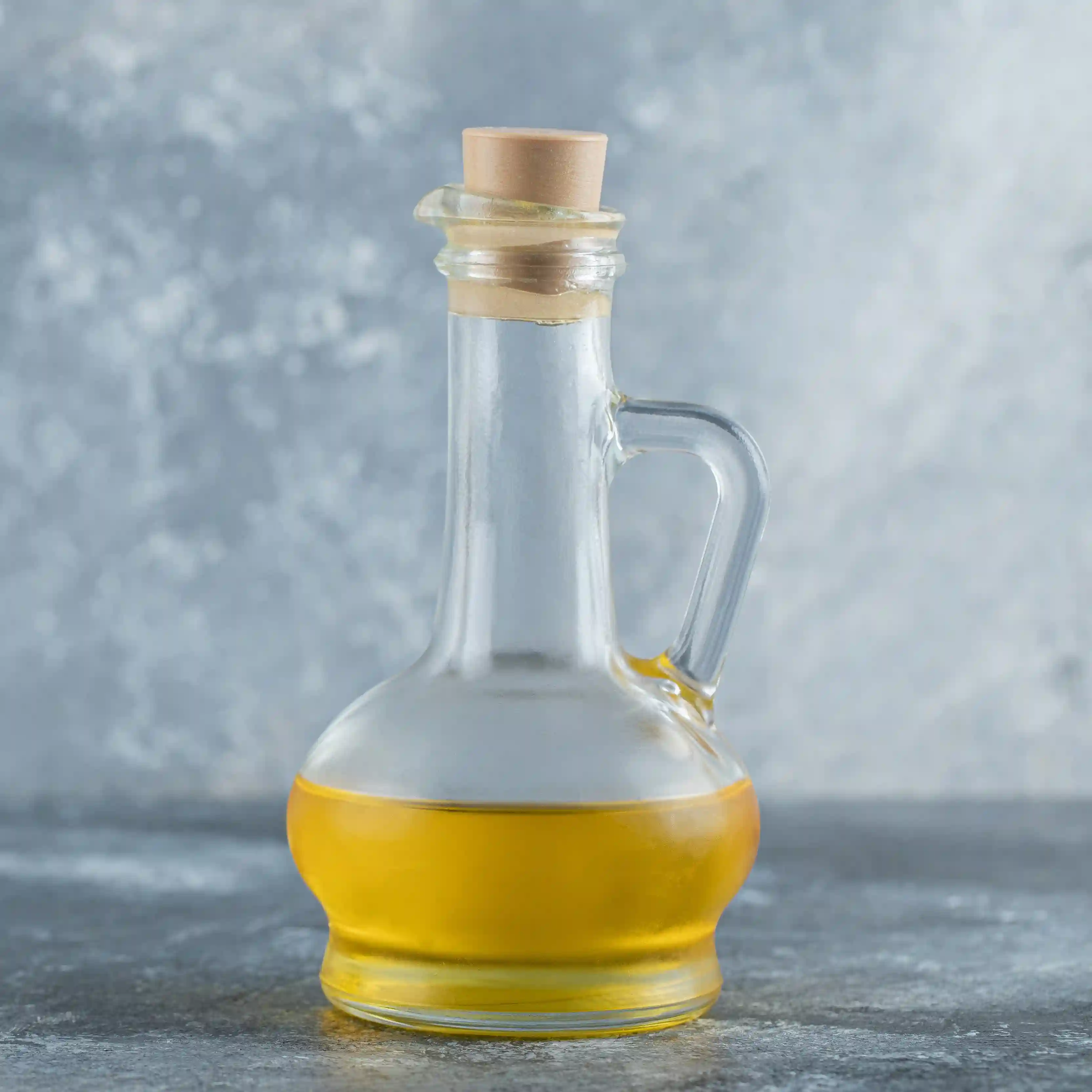
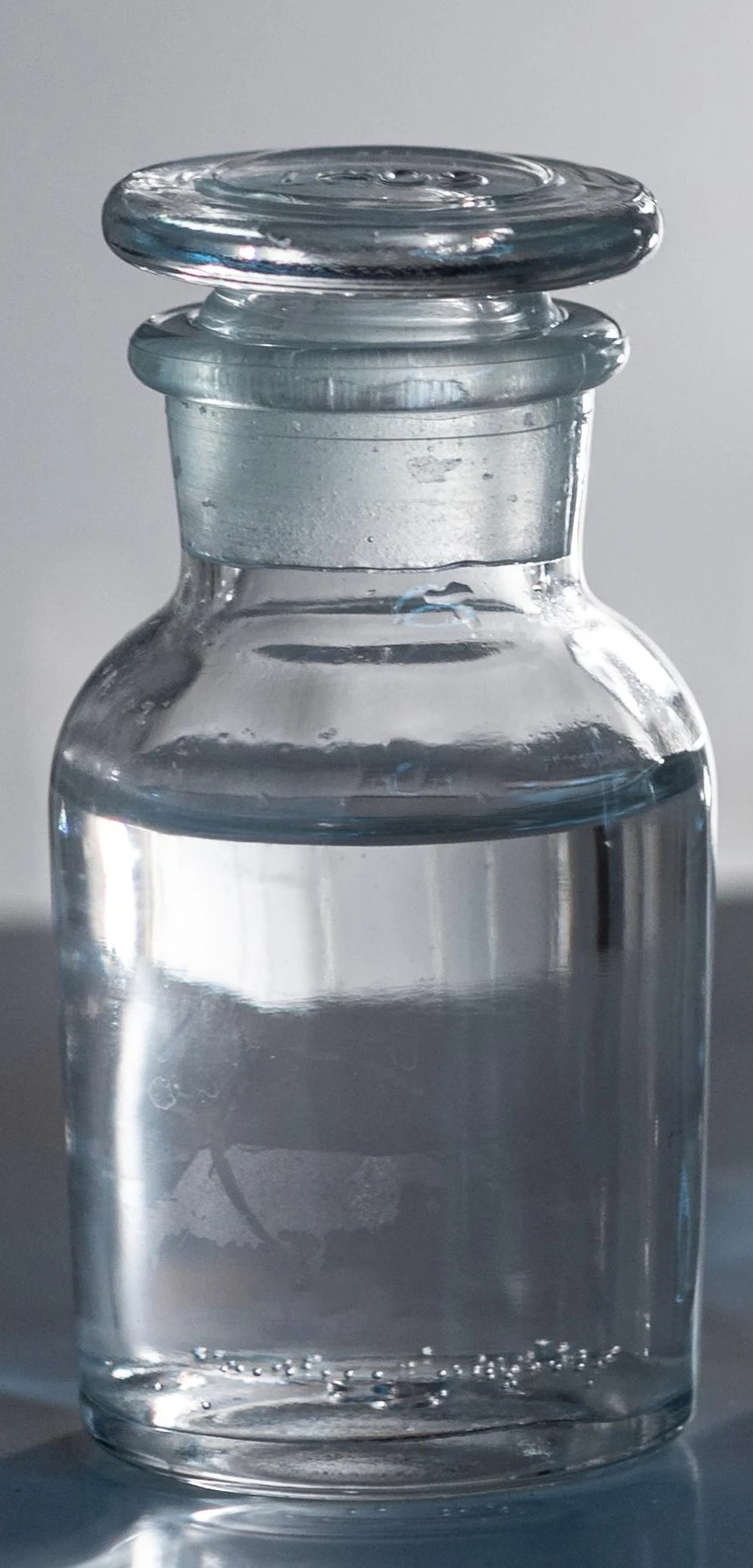
: Colorless Liquid |
|
Common Names |
: TEA, Trolamine, Triethylolamine |
|
Packaging |
: Packed in plastic barrels with 20kg per barrel |
For more detailed information including pricing, customization, and shipping:
Brief Overview
Triethanolamine, also known as TEA, appears as a colorless viscous liquid. It is strongly alkaline and is mainly used as a pH regulator. It helps to form emulsions by reducing the surface tension of the substance to be emulsified. It is hygroscopic in nature and soluble in water and alcohols. It gives a slight ammoniacal odor due to the presence of an amine.
Manufacturing Processes
TEA is produced by the reaction of ethylene oxide with aqueous ammonia. Mono and diethanolamine are produced together and the product can be obtained by altering the stoichiometry of the reactants.
Cosmetics Industry
It is widely used a pH balancer in lotions, creams, eyeliners and other cosmetic products. The pH of the skin is around 5.5-6.0 and triethanolamine solution has a pH of 10. Because of its emulsion properties, it is used in cleansing solutions to remove makeup effectively.
Cement Industry
It is used as an organic additive in grinding cement clinker. It helps in grinding process by inhibiting agglomeration and coating of the powder at the surface of balls and mill wall.
Pharmaceutical Industry
It is used in various ear drops to treat ear infections. It acts as a neutralizing and emulsifying agent in the manufacture of many pharmaceuticals.
Other applications
It is extensively used in the manufacturing of synthetic resins as solvent in a casein, shellac, and dyes which increases the penetration of organic liquids into wood and paper, in the production of lubricants for the textile industry, and in making emulsions between mineral and vegetable oils, paraffin and waxes. It is also widely used as a complexing agent in electroless plating.



 English

 Indonesian
 简体字
简体字
 العربية
 Español
 Français
 Português
 日本語
日本語
 한국어
한국어
 Tiếng Việt



















---china.webp)