Explore our network of country and industry based websites to access localized information, product offerings, and business services across our group.
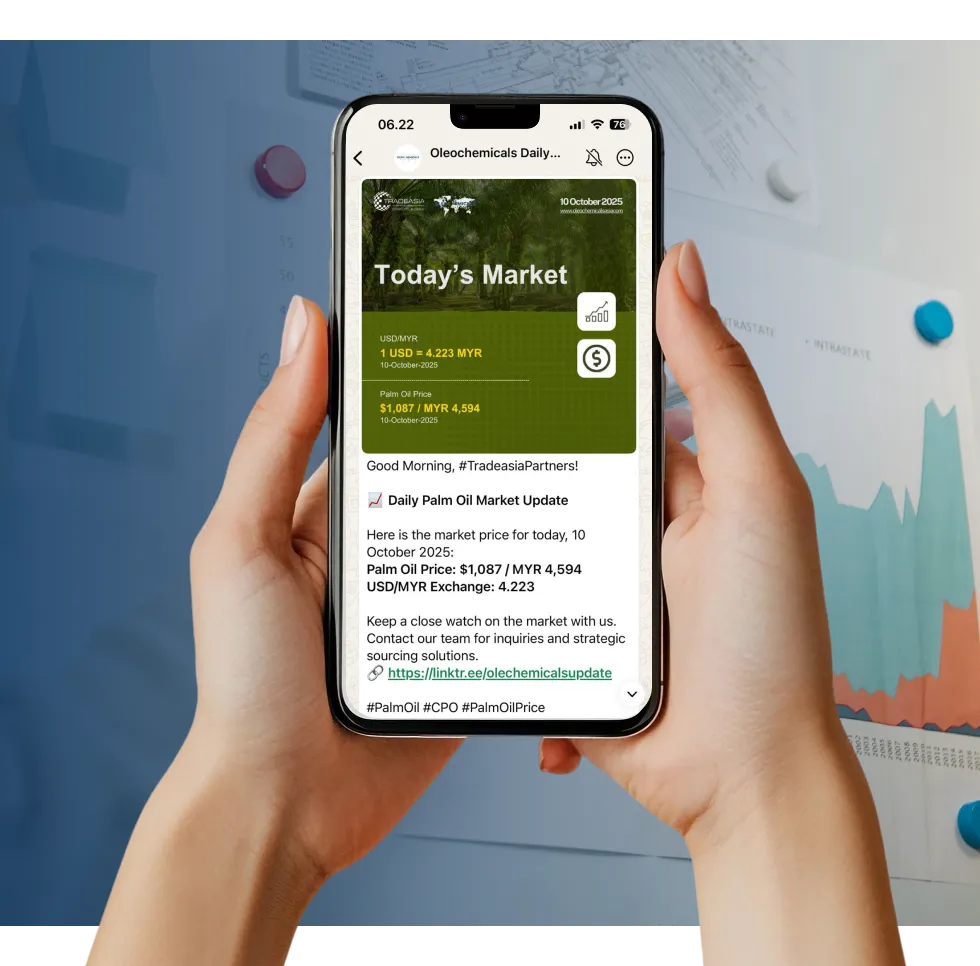
Access reliable chemical market information through our update channels.
Real-time Updates
Daily Updates
Log in to start sending quotation requests for any product.
Don't have an account? Sign Up Here
Log in now to access technical product documents from our product range.
Don't have an account? Sign Up Here
Home All Products PVC H66-3716 (Ethylene based - SG 5) - Taiwan
|
IUPAC Name |
: Poly(1-chloroethylene) |
|
Cas Number |
: 9002-86-2 |
|
HS Code |
: 390410 |
|
Formula |
: C2H3Cl |
|
Appearance Name |
: White Powder |
|
Common Names |
: Polychloroethylene |
|
Packaging |
: 25 Kg Bag |
For more detailed information including pricing, customization, and shipping:
Polyvinyl chloride (PVC) is a synthetic polymer made from the monomer vinyl chloride. It is a thermoplastic material that can be easily molded and shaped into a variety of forms, making it a versatile material with many applications. PVC is known for its strength, durability, and chemical resistance, and is commonly used in construction, plumbing, electrical, and medical industries. PVC is often used for water and sewage pipes, electrical cable insulation, and vinyl siding for homes. It is also used in medical devices such as tubing and blood bags.
Polyvinyl chloride (PVC) resin is a thermoplastic material that is widely used in various industries due to its excellent chemical resistance, durability, and low cost. The manufacturing process for PVC resin typically involves the following steps:
Vinyl Chloride Monomer (VCM) Production: VCM is produced by the chlorination of ethylene in the presence of oxygen and hydrogen chloride. The resulting VCM gas is then purified and stored for use in the next step.
Polymerization: VCM gas is then polymerized through one of two methods: suspension or emulsion polymerization.
Additives: PVC resin is typically blended with various additives to improve its properties. These additives can include plasticizers to improve flexibility, stabilizers to prevent degradation during processing and use, pigments to add color, and fillers to reduce cost and improve mechanical properties.
Processing: The PVC resin is then processed through various methods such as extrusion, injection molding, or calendaring to create the final product.
PVC resin is a versatile thermoplastic material with a wide range of applications in various industries. Some common applications of PVC resin include:
Construction: PVC is commonly used in the construction industry for windows, doors, pipes, and siding due to its durability, resistance to weather and chemicals, and low cost.
Electrical: PVC is used extensively in the electrical industry for cable insulation, electrical conduit, and wire insulation due to its electrical properties and fire resistance.
Medical: PVC is used in medical applications such as tubing, blood bags, and intravenous (IV) bags due to its biocompatibility, flexibility, and transparency.
Automotive: PVC is used in the automotive industry for various applications such as dashboard components, door panels, and wiring insulation.
Consumer goods: PVC is used in a variety of consumer goods such as toys, inflatable products, and shower curtains due to its low cost, flexibility, and water resistance.
Packaging: PVC is used in packaging applications such as blister packaging and clamshells due to its clarity and ability to be easily formed into different shapes.



 English

 Indonesian
 简体字
简体字
 العربية
 Español
 Français
 Português
 日本語
日本語
 한국어
한국어
 Tiếng Việt



















---vietnam.webp)
---china.webp)
.webp)