Explore our network of country and industry based websites to access localized information, product offerings, and business services across our group.

Access reliable chemical market information through our update channels.
Real-time Updates
Daily Updates
Log in to start sending quotation requests for any product.
Don't have an account? Sign Up Here
Log in now to access technical product documents from our product range.
Don't have an account? Sign Up Here
Home All Products Modified Tapioca Starch - India
|
IUPAC Name |
: Tapioca Starch |
|
Cas Number |
: 9057-07-2 |
|
HS Code |
: 1108.14.00 |
|
Formula |
: C27H48O20 |
|
Appearance Name |
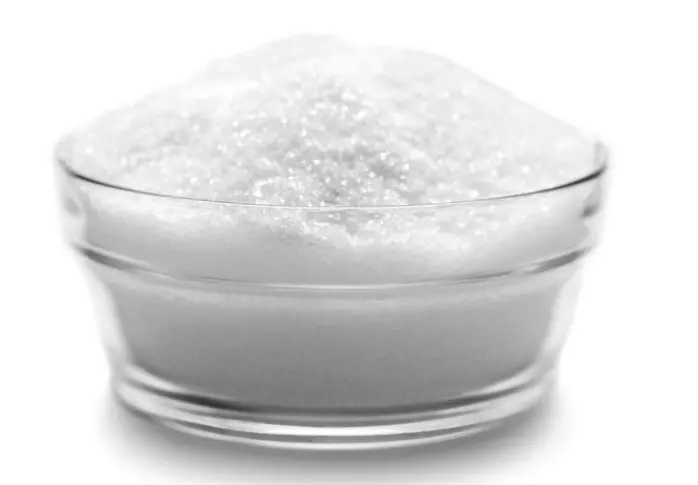
: White Powder |
|
Common Names |
: Cassava Starch, Starch, Tapioca Starch |
|
Packaging |
: 25 kg PP Bag |
For more detailed information including pricing, customization, and shipping:
Brief Overview
Starch can be extracted from the grain or root of root vegetables like cassava. It is easily obtained on the commercial sector as a dry powder, with properties tailored to specific requirements. Its main application is in the food business, where it was selected for its appropriateness because other industries required certain features that it lacked.
Manufacturing Process
Three crucial steps are involved in the production of tapioca starch: extraction and preparation, purification, and water removal. The cassava roots are first cleaned and peeled, and the pulp that is left over is then strained through water. The collected starch is then purified using centrifugation and sedimentation techniques. The final step is to get rid of the water, which is done by drying.
Food Industry
In the confectionery industry, different kinds of modified starch are used for a range of purposes, including making gels, thickening, stabilizing texture, enhancing foam, regulating crystal growth, encouraging adhesion, enabling film formation, and providing a glaze. Specifically, modified tapioca starch functions as a colloid stabilizer in drinks containing solid ingredients.
Adhesive and Glue Industry
Due to the intrinsic adhesive properties of starch, two forms of adhesives—modified starches and dextrins—have been developed. These are used in the production of liquid and roll-dried adhesives. In the adhesive industry, tapioca starch is especially valued for its remarkable ability to bind and the significant viscosity it may achieve when combined with water or certain chemicals.
Textile Industry
Modified starch is frequently used in printing to provide more consistent prints and avoid contamination during the process. For this use, modified starch that has been pregelatinized is typically the best choice.
Other Applications
In the third phase of the paper-making process, a condensed paper with specific uses in mind is created, like calendar paper, book covers, and packaging. Thin boiling starches, more complex modified starches, or jet-cooking native starch with enzymes are all used in this technique.



 English

 Indonesian
 简体字
简体字
 العربية
 Español
 Français
 Português
 日本語
日本語
 한국어
한국어
 Tiếng Việt





















-(e338).webp)