Explore our network of country and industry based websites to access localized information, product offerings, and business services across our group.

Access reliable chemical market information through our update channels.
Real-time Updates
Daily Updates
Log in to start sending quotation requests for any product.
Don't have an account? Sign Up Here
Log in now to access technical product documents from our product range.
Don't have an account? Sign Up Here
Home All Products Modified Tapioca Starch (E1442)
|
IUPAC Name |
: Tapioca Starch |
|
Cas Number |
: 9057-07-2 |
|
HS Code |
: 3505.10.00 |
|
Formula |
: C27H48O20 |
|
Appearance Name |
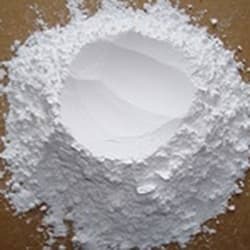
: White Powder |
|
Common Names |
: Cassava Starch, Starch, Tapioca Starch |
|
Packaging |
: 25 Kg PP/PE Bags |
For more detailed information including pricing, customization, and shipping:
Modified tapioca starch is a functionally enhanced starch derivative processed through acetylation, hydroxypropylation, cross-linking, or pregelatinization of neutral-tasting cassava starch, delivering superior freeze-thaw stability, acid tolerance, and clean smooth texture compared to native starches. In the food industry, it provides clean-label thickening with short creamy mouthfeel, excellent process tolerance across pH 3-9 and high shear conditions, and versatility as fat replacer, stabilizer, and texturizer ideal for frozen foods, sauces, and low-fat formulations.
Frozen foods: Prevents syneresis and water separation in frozen sauces, gravies, and ready meals maintaining hot-hold viscosity after freeze-thaw cycles, retains sauce cling on proteins during microwave reheating, excellent stability through 5+ freeze-thaw cycles.
Sauces and dressings: Provides cold-storage stable viscosity in salad dressings, mayonnaise, and instant gravies resisting oil separation and thinning, shear-stable during high-speed mixing and pumping, heat tolerance during hot-fill processing up to 95°C.
Dairy products: Stabilizes low-fat yogurts, ice creams, and milk puddings preventing whey-off and ice crystal formation, creates spoonable texture mimicking full-fat dairy, acid-stable in fruit-flavored systems maintaining gel structure.
Bakery fillings: Thickens fruit pie fillings, donuts, and pastry creams resisting rupture during baking at 180-200°C oven temperatures, controls moisture migration preventing soggy crusts, maintains sliceable consistency after cooling.
Meat products: Functions as fat mimetic and binder in low-fat sausages, patties, and injection brines improving cook yield and slice cohesion, forms stable gel network during thermal processing, prevents purge loss during chilled storage.
Beverages: Suspends pulp and cloud particles in smoothies, juices, and RTD drinks preventing sedimentation, provides mouthfeel in low-calorie beverages without carbohydrate aftertaste, stable through UHT processing and homogenization.
In cosmetics, stabilizes emulsions and provides smooth texture in lotions; in personal care, thickens shampoos and body washes; in industrial uses, functions as paper coating binder and textile printing thickener.



 English

 Indonesian
 简体字
简体字
 العربية
 Español
 Français
 Português
 日本語
日本語
 한국어
한국어
 Tiếng Việt



















---india.webp)