Explore our network of country and industry based websites to access localized information, product offerings, and business services across our group.

Access reliable chemical market information through our update channels.
Real-time Updates
Daily Updates
Log in to start sending quotation requests for any product.
Don't have an account? Sign Up Here
Log in now to access technical product documents from our product range.
Don't have an account? Sign Up Here
Home All Products Melamine - China
|
IUPAC Name |
: 1,3,5-Triazine-2,4,6-triamine |
|
Cas Number |
: 108-78-1 |
|
HS Code |
: 29336100 |
|
Formula |
: C3N3(NH2)3 |
|
Appearance Name |
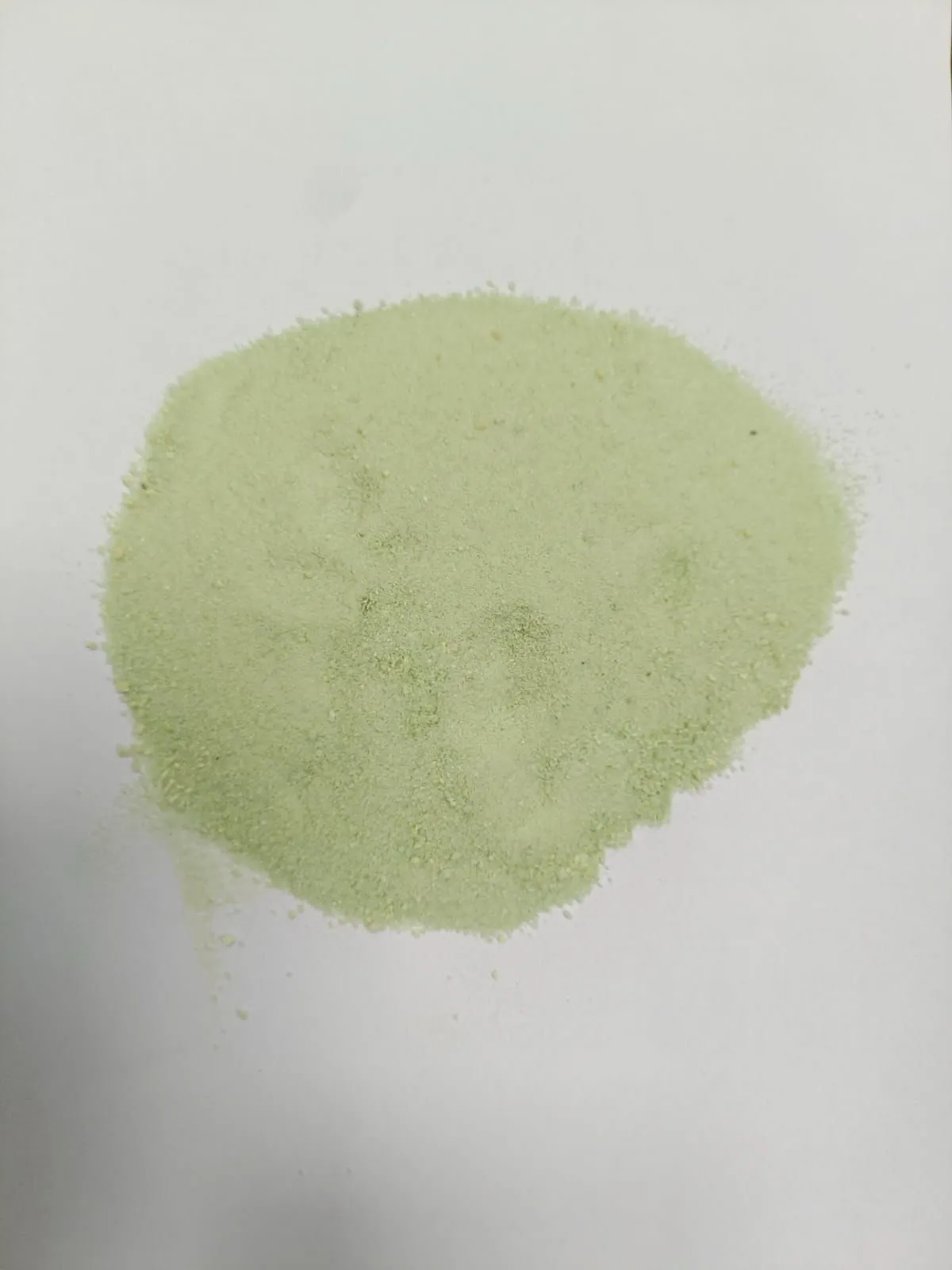
: White Crystalline Powder |
|
Common Names |
: Cyanurotriamide, 1,3,5-Triazine-2,4,6-triamine |
|
Packaging |
: 25kg, 50kg, 1000kg/PE+PP |
For more detailed information including pricing, customization, and shipping:
Brief Overview
Melamine is an organic compound which is also known as Cyanurotriamide, Cyanurotriamine, or Cyanuramide. Melamine usually comes in the form of white crystalline powder. The structure of melamine enables to combination with another chemical compound to form a strong and durable product. It is easily molded when warmed and becomes a fixed form at room temperature. Melamine is stable and non-hygroscopic. It should be stored under dry cool and well-ventilated condition. It can be explosive if it is heated in enclosed space and above 300oC and it produces toxic vapours that may cause eye, skin, and respiratory irritation. The use of protective gloves, safety glasses, and respiratory protection is required when handling melamine. Melamine is safe in normal use but dangerous if it is contained in food.
Manufacturing Process
Melamine can be synthesized from urea, dicyandiamide, or hydrogen cyanide. Nowadays, most industries use urea as the main ingredient for melamine manufacture. The reaction can be done with high pressure or low pressure condition. The first stage of this reaction converts urea to isocyanic acid. At high pressure reaction, the isocyanic acid is converted to cyanuric acid which then reacts with ammonia to produce melamine. The high pressure reaction does not require catalyst and occurs in liquid phase. Low pressure reaction converts isocyanic acid to carbodiimide or cyanamide which is further converted to melamine. This reaction was performed in gas phase with a catalyst. In this case, carbodiimide or cyanamide acts as the catalyst for the reaction. The overall process of melamine manufacture is an endothermic reaction.
Building and Construction Industry
Melamine can be combined with formaldehyde to produce melamine resin for furniture, flooring, and fiberboard laminates. Melamine also used in the manufacture of plywood. Melamine is added to softwood to make high quality panels. Another application of melamine is as a mixture for concrete, which usually used for making foundations, architectural structures, or other construction.
Other Applications
In textile industry, melamine also used as fire retardant material such as flame-retardant clothing, upholstery fabrics, heat resistant gloves and aprons, and thermal liners. In addition, the high nitrogen containing compound can be mixed with resins which decomposes to produce nitrogen gas that can be used to prevent combustion. Therefore, melamine is commonly uses as fire retardant additives in paint, plastic, and paper.



 English

 Indonesian
 简体字
简体字
 العربية
 Español
 Français
 Português
 日本語
日本語
 한국어
한국어
 Tiếng Việt