Log in to start sending quotation requests for any product.
Don't have an account? Sign Up Here
Log in now to access technical product documents from our product range.
Don't have an account? Sign Up Here
Home All Products Margarine
|
IUPAC Name |
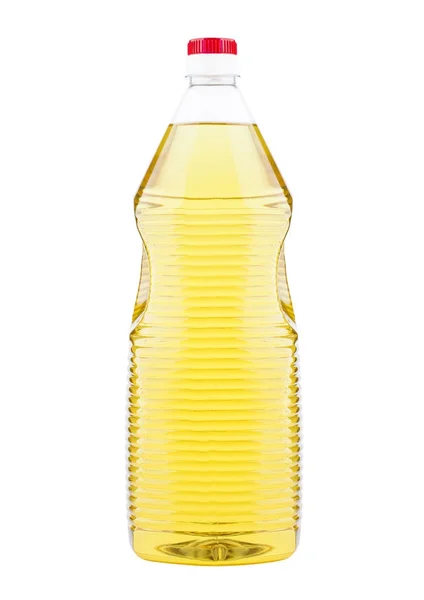
: Vegetable Oil |
|
Cas Number |
: 8029-82-1 |
|
HS Code |
: 1517.10.10 |
|
Formula |
: C18H32O2 |
|
Appearance Name |
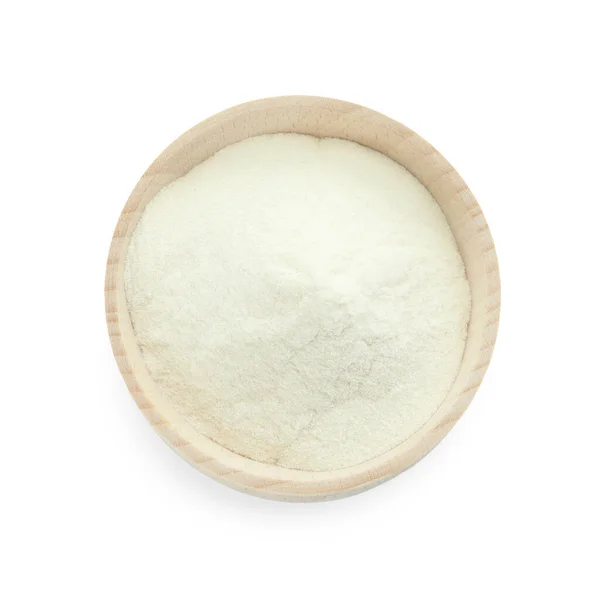
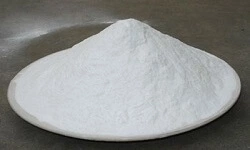
: White to pale yellow solid |
|
Common Names |
: Vegetable Oil, Peanut Oil, Cottonseed Oil, Oil |
|
Packaging |
: 25 kg Carton |
For more detailed information including pricing, customization, and shipping:
Brief Overview
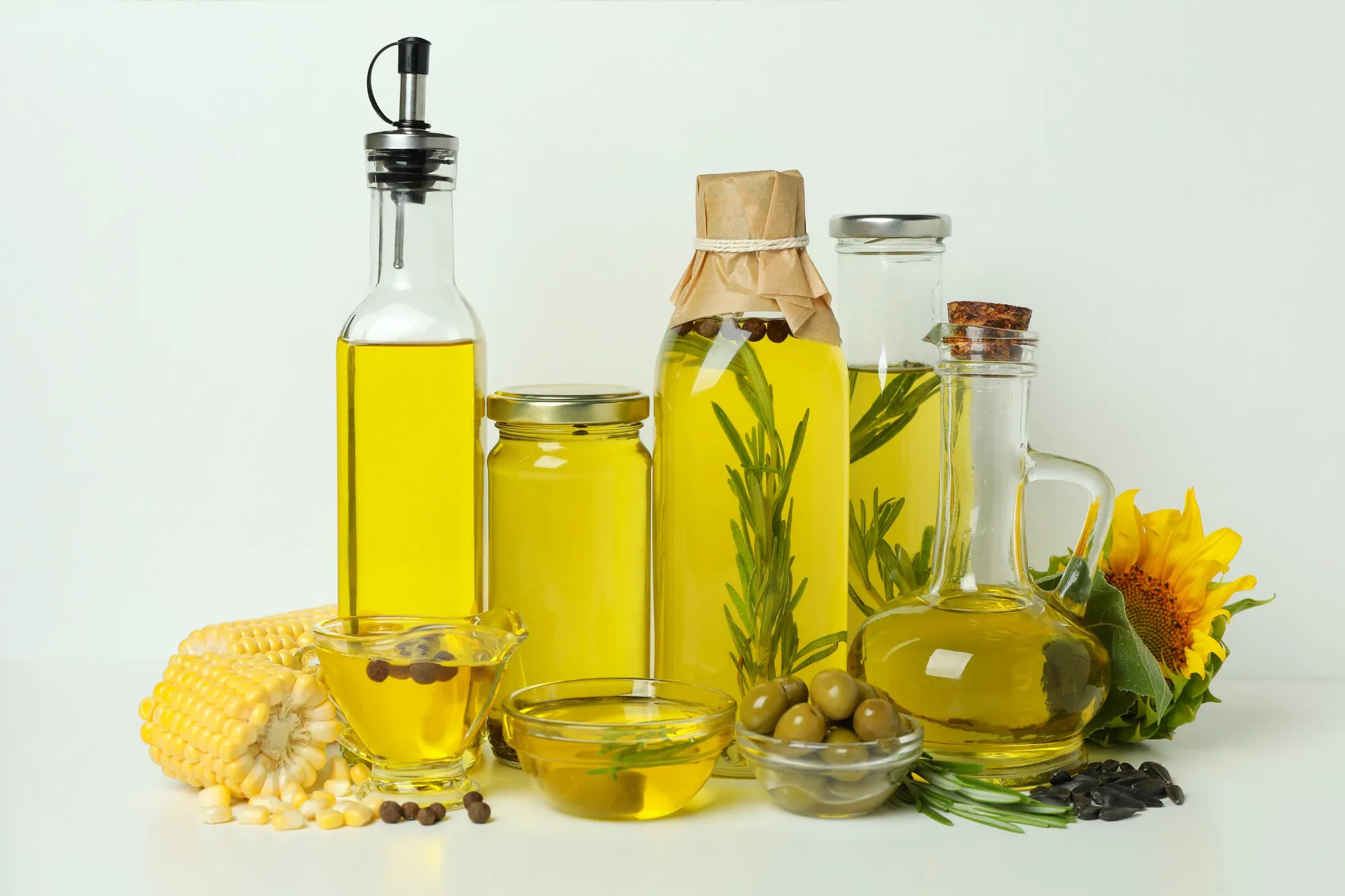
Margarine is a spread used instead of butter. White butter is made from milk and dairy products; margarine is produced from vegetable oil and water. It is used for flavouring, baking, and cooking and was first prepared in France. There are three types of margarine available – soft spreads, hard margarine for baking and margarine in bottles to cook. One hundred grams of margarine contains 628 calories. It is highly rich in vitamin E and sodium.
Manufacturing Process
The margarine bought in the market is produced by emulsifying a blend of vegetable oils and fats, which is then subjected to fractionation and hydrogenation with milk for improved texture. Depending on its final fat content and its purpose, the level of water and the vegetable oils used vary slightly.
Food Industry
Due to its versatility, margarine is used as an ingredient in other food products, such as pastries, doughnuts, and cookies. It is a cheap alternative for regular butter. Certain margarine types are purely from plants and not from animals, and they are labelled vegan or dairy-free. It is used as a leavening agent, an emulsifier, a thickener and as artificial colouring.

Explore our network of country and industry based websites to access localized information, product offerings, and business services across our group.

Access reliable chemical market information through our update channels.
Real-time Updates
Daily Updates

---india.webp)

 English

 Indonesian
 简体字
简体字
 العربية
 Español
 Français
 Português
 日本語
日本語
 한국어
한국어
 Tiếng Việt