Explore our network of country and industry based websites to access localized information, product offerings, and business services across our group.

Access reliable chemical market information through our update channels.
Real-time Updates
Daily Updates
Log in to start sending quotation requests for any product.
Don't have an account? Sign Up Here
Log in now to access technical product documents from our product range.
Don't have an account? Sign Up Here
Home All Products Calcium Acetate - India
|
IUPAC Name |
: Calcium diacetate |
|
Cas Number |
: 62-54-4 |
|
HS Code |
: 2915.29.00 |
|
Formula |
: Ca(C2H3O2)2 |
|
Appearance Name |
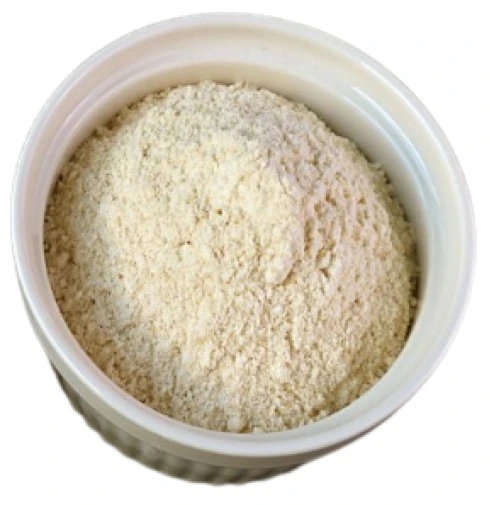
: White Crystalline Powder |
|
Common Names |
: Acetate of Lime |
|
Packaging |
: 25 kg paper bag |
For more detailed information including pricing, customization, and shipping:
Brief Overview
Calcium acetate, with the chemical formula Ca(C2H3O2)2, is a calcium salt derived from acetic acid. Commonly referred to as the acetate of lime, it possesses a white crystalline structure and exhibits hygroscopic properties. In terms of activity and pH, calcium acetate closely resembles acetic acid. This compound is naturally present in certain food items like vinegar and eggshells.
Manufacturing Process
1. The production of calcium acetate involves immersing calcium carbonate or hydrated lime in vinegar or an acetic acid solution.
2. Calcium acetate can be obtained through natural or synthetic means. In laboratories, synthetic production ensures an identical composition and structure to the naturally occurring chemical.
Food Industry
In the food industry, calcium acetate serves as a food additive, stabilizer, and buffer with the designation E263. Its application in the food industry is due to specific properties it possesses. For instance, calcium acetate can function as a growth inhibitor for certain bacteria, a texturizer, a thickening agent, and a firming agent. It plays a role as a buffer to control the pH of food during processing, contributing to extended shelf life and the stabilization of various food products. Calcium acetate finds use in a range of food items, including candies, cakes, cheeses, gelatin, snack foods, sweet sauces, bread, and baked goods.
Pharmaceutical Industry
In the pharmaceutical realm, calcium acetate is employed to prevent elevated blood phosphate levels in patients undergoing dialysis for kidney disease. Specifically, it serves as a phosphate binder indicated for reducing serum phosphorus levels in individuals with end-stage renal disease.



 English

 Indonesian
 简体字
简体字
 العربية
 Español
 Français
 Português
 日本語
日本語
 한국어
한국어
 Tiếng Việt




















---thailand.webp)